7 Best Etsy Alternatives for Selling Handmade Products in 2026
Rising fees and changing policies have many makers rethinking Etsy. Compare seven alternatives, including both marketplaces and website hosts, and learn how to make the switch.
By Kate Maruyama ·
On this page
Etsy has helped many makers start selling online, but rising fees, required advertising, and changing policies have led many sellers to look elsewhere. If you’re searching for Etsy alternatives, you’re far from alone. Between climbing transaction fees, mandatory offsite ads, and the lingering fear of having your Etsy shop suspended without warning, many makers are realizing that renting space on a marketplace is a risky long-term strategy.
This guide covers the top Etsy alternatives for selling handmade products, whether you want to move to a different marketplace or build your own brand with an independent website.
TL;DR: Top Etsy alternatives at a glance
- Merchant Tech: The best all-in-one platform for building your own brand, with an intuitive site builder and free white-glove migration.
- Shopify: A popular website builder and ecommerce platform, though many features require paid apps to get full functionality.
- WooCommerce: A highly customizable option but requires extensive technical knowledge and plugin management.
- Amazon Handmade: A marketplace with a massive audience, but takes a steep 15% referral fee on each sale.
- Michaels MakerPlace: A craft-focused marketplace from the Michaels craft store chain.
- Artisans Cooperative: A handmade-only marketplace owned by its members.
- Faire: A wholesale marketplace for selling your products to independent retailers.
Own website vs. Etsy: Which is better for makers?
When deciding between your own website vs Etsy, the decision ultimately comes down to ownership versus built-in traffic.
Etsy gives you access to an existing audience of shoppers, but that access comes with costs. Listing fees, transaction fees, payment processing fees, and offsite ad fees can add up to more than 20% of a single sale. Etsy also controls your customer relationships, which makes it harder to reach past buyers with emails or offers.
Having your own website means you control the brand experience and keep more of each sale. You own your email list, define your own return policies, and never have to worry about a marketplace algorithm hiding your products. While you have to drive your own traffic, building a standalone site is the absolute best way to secure long-term control over your business.
Top ecommerce platforms for building your own store
If you’re ready to graduate from a marketplace, here are the top options for building a website for Etsy shop owners.
1. Merchant Tech
If you want to own your audience without dealing with technical headaches, Merchant Tech is the best platform to sell products online.
It’s an all-in-one ecommerce platform that lets small businesses manage their website, orders, and sales channels from one dashboard. Plans cost a flat $79 per month, and payment processing is 2.9% + 30¢ per transaction. Many features that require paid apps on other platforms come built in.
Key features include:
- Site builder: Design a polished storefront with flexible pages, and customize the mobile and desktop experience beyond the limits of a rigid template.
- Built-in selling tools: Offer bundles, gift cards, subscriptions, or digital products, all included in your plan.
- Retail and wholesale storefronts: Run retail and wholesale storefronts from one dashboard, and customize both with the site builder.
- Shipping and tax features: Compare live carrier rates, print shipping labels in bulk, and calculate sales tax automatically. Merchant Tech also monitors sales tax nexus thresholds as your sales grow.
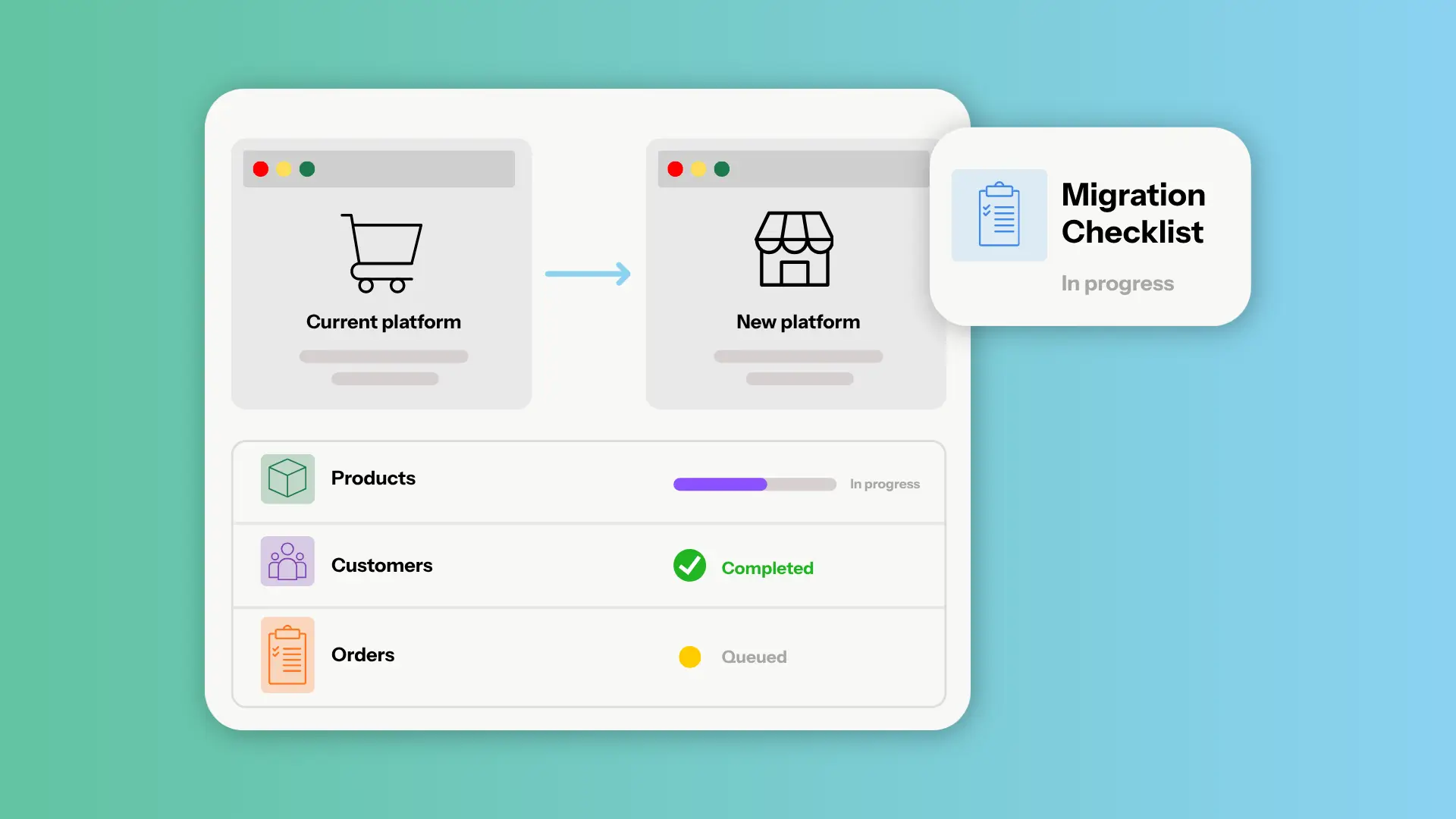
- Free white-glove migration: A dedicated specialist moves your entire store, including products and orders, in as little as a day at no cost. Your current store stays live the whole time.
2. Shopify
Shopify is one of the most widely used ecommerce platforms. It offers professional templates and a user-friendly interface. However, features like unlimited wholesale catalogs, dynamic product bundles, and advanced subscriptions often require third-party apps or higher-tier plans, and those app subscriptions can significantly increase your monthly costs.
3. WooCommerce
WooCommerce is a free plugin built on top of WordPress. For makers who are highly tech-savvy or experienced web developers, it’s a great option for total customization. But you’re entirely responsible for finding your own secure hosting, managing software updates, and fixing the site if a plugin breaks. It's a great Etsy alternative for sellers who want to code, but a headache for makers who just want to sell.
Top marketplace alternatives to Etsy
If you're not ready for a standalone website but want to sell beyond Etsy, consider these marketplaces.
4. Amazon Handmade
Amazon Handmade gives makers access to Amazon’s large customer base. Unlike Etsy, there are no listing fees, and your listings never expire. However, Amazon takes a flat 15% referral fee on every sale. The application process is also notoriously strict to ensure all products are genuinely handcrafted.
5. Michaels MakerPlace
Launched by the popular craft store chain, MakerPlace is a direct competitor to Etsy. It features lower baseline fees and allows you to sell handmade goods, craft classes, and even craft supplies in one place.
6. Artisans Cooperative
Artisans Cooperative is a handmade-only marketplace owned by its members. Sellers pay a sales commission plus payment processing fees, and artisans who buy into membership pay a lower commission rate. Members also vote on decisions like fee changes, which makes it a good fit for makers who want a say in how their marketplace is run.
7. Faire
Faire is a wholesale marketplace that connects makers with independent retailers, like boutiques and gift shops. Instead of selling one item at a time to shoppers, you list your products at wholesale prices, and retailers order in bulk to stock their stores.
Faire charges a 15% commission on marketplace orders, plus a one-time $10 fee on each new retailer's first order. Orders from retailers you invite through your own Faire Direct link carry 0% commission. Faire is a good fit for makers who want to get their products into physical stores while also selling directly to customers.
How to move from Etsy to your own website
Switching to an independent store takes a few steps:
- Export your data: In Etsy's Shop Manager, go to Settings > Options > Download Data, and export your active listings as a CSV file.
- Import your products to your new store: If you choose a platform like Merchant Tech, you don't even have to do this step yourself. A dedicated migration specialist will handle recreating your storefront and moving your products for you.
- Transition your customers gradually: Don't close your Etsy shop immediately! Keep your Etsy shop open while your new store grows. Include a business card with your website URL and a discount code in every Etsy order to encourage repeat buyers to shop with you directly.
Sell your handmade products on your own terms
The best time to build your own ecommerce website was yesterday; the second best time is today. Moving to a platform where you own your brand, control your margins, and build direct relationships with customers helps secure the future of your business.
Book a free demo with Merchant Tech to see how easy it is to build a custom website and launch your store with free white-glove migration.

Kate is a Senior Editor at Merchant Tech where she oversees content that helps merchants understand platform tools, optimize their online stores, and grow their businesses.